
 English
 French
  Indonesian
  Spanish
  Thai
Thai Recent Posts
-
Commercial Pool Lighting Design: Engineering Guide for MEP Specialists
A technical guide for MEP engineers on commercial pool lighting design, covering NEC Article 680 compliance, IP68 sealing, and chemical-resistant materials.
07/28/2026
-
Custom LED Pool Light Optical Engineering: Aligning Design with Project Blueprints
Optimize pool lighting with custom optical engineering. Learn how we translate blueprints into IES-compliant, precision-engineered underwater lighting solutions.
07/28/2026
-
Engineering High-Performance Underwater Lighting for Luxury Resort Pools
Engineered underwater lighting solutions for high-end resorts. Explore IP69K marine-grade luminaires, DMX control, and thermal management for commercial pools.
07/28/2026
-
Engineering Comparison: Low-Voltage AC vs. DC Drivers for Commercial Pool Lighting
Compare low-voltage AC and DC pool lighting drivers for commercial installations. Learn about thermal management, IP68 reliability, and TCO optimization.
07/28/2026
-
Commercial Pool and Landscape Lighting Integration: A Technical Guide for Engineers
Learn to integrate underwater and landscape lighting systems. Our guide covers color consistency, galvanic corrosion prevention, and BMS control synchronization.
07/28/2026
-
Wholesale Sourcing Guide: Corrosion-Resistant IP68 LED Fixtures for Resort Pools
Procure high-performance IP68 LED pool lights engineered for saltwater resort environments. Ensure CAPEX efficiency with 316L stainless steel compliance.
07/28/2026
Replacing Underwater Swimming Pool Lights: Safety Comes First
Replacing Underwater Swimming Pool Lights: Safety Comes First
When replacing underwater swimming pool lights, safety should always be your top priority. This guide outlines essential electrical safety protocols, how to check for damaged cables and grounding issues, and why you should opt for high-quality, durable LED lights for your pool.
Electrical Safety Protocols
Before beginning any installation or replacement of underwater lights, it's vital to follow electrical safety standards. Ensure that the pool's power is turned off completely, and use insulated tools when working around electrical components. Always ensure that the wires and connections are properly sealed to prevent any water exposure to electrical components.
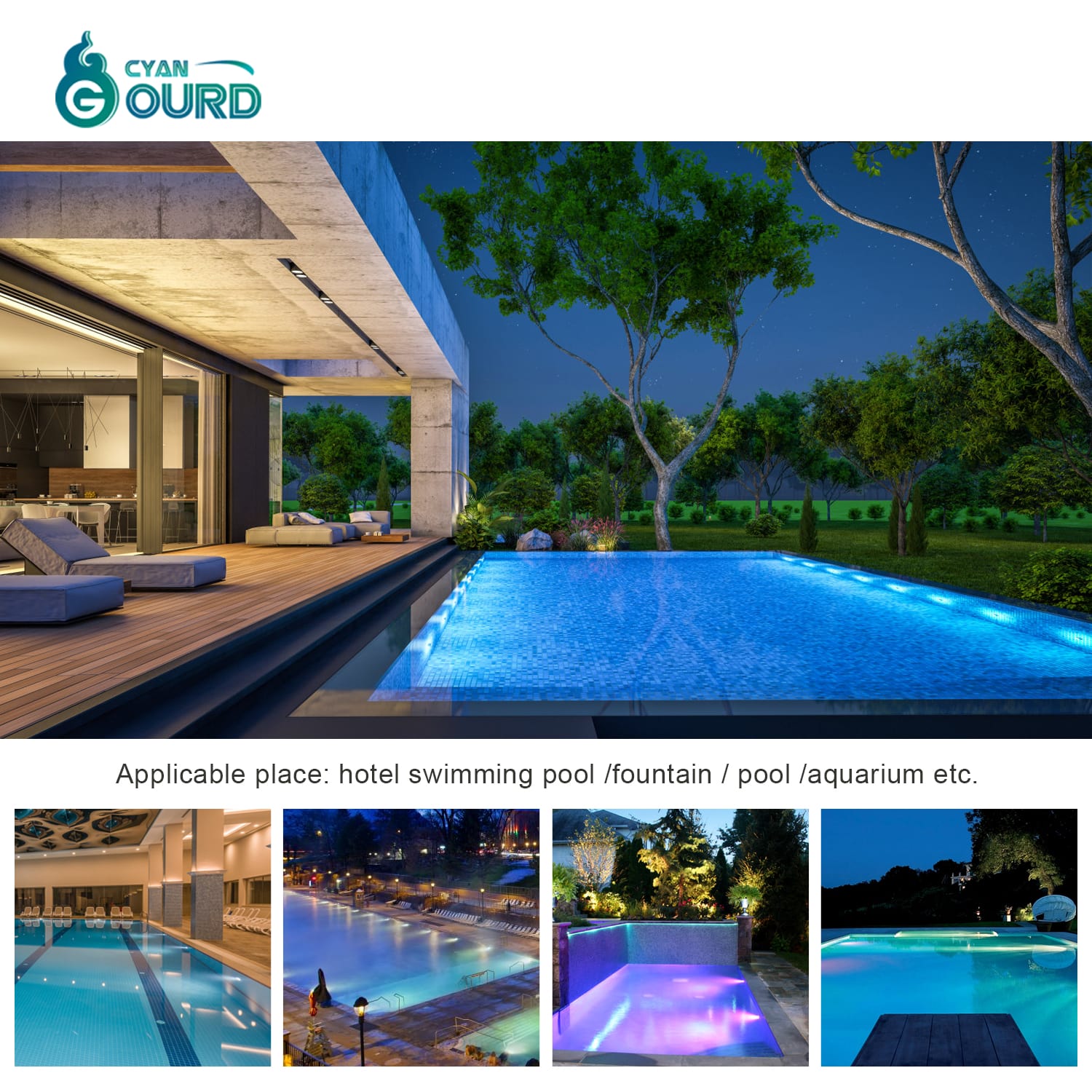
Checking for Damaged Cables and Grounding Issues
Inspect the existing cables for any signs of wear and tear, such as cuts, fraying, or exposed wiring. Damaged cables can lead to electrical shocks, posing significant risks to both people and equipment. Additionally, check for proper grounding of the electrical system, as improper grounding can lead to electrical hazards. If in doubt, consult a professional electrician to ensure everything is safe.
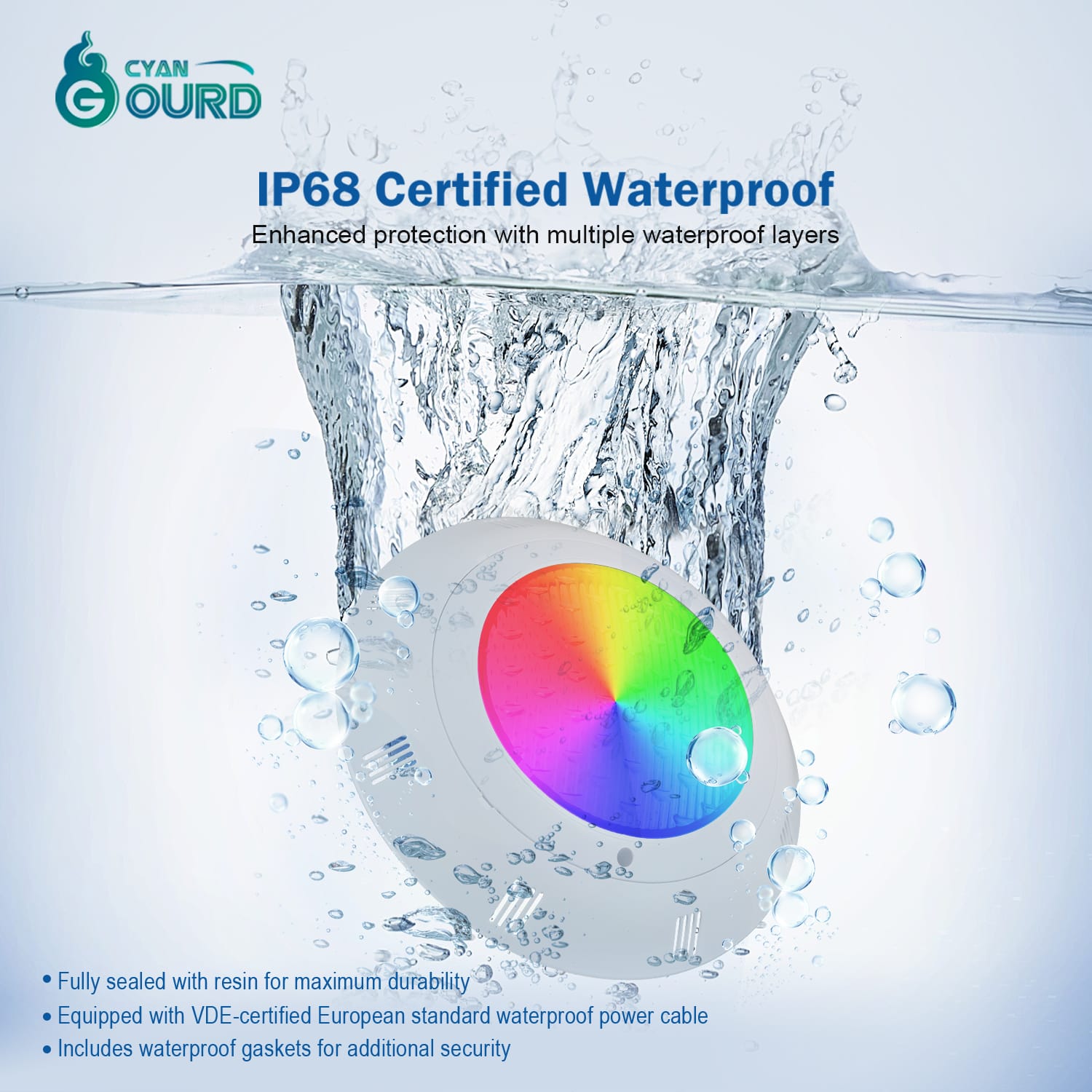
LED Lights with Heat-Resistant, Waterproof Housings
When replacing pool lights, opt for LED lights with heat-resistant, waterproof housings. These lights are specifically designed for underwater environments and offer excellent durability, energy efficiency, and long-lasting performance. The waterproof feature ensures they remain safe and fully operational even when exposed to the harsh underwater conditions in your pool.
Why Choose Cyangourd Lighting?
Cyangourd Lighting offers top-of-the-line, long-lasting, underwater-rated LED pool lights. Our lights are engineered to meet the highest safety standards, ensuring your pool lighting is both safe and beautiful. With a wide range of options designed for different pool sizes and types, we have the perfect solution to enhance the beauty and safety of your pool.
Conclusion
Replacing underwater swimming pool lights requires attention to detail, especially when it comes to safety. By following electrical safety protocols, inspecting cables, and choosing the right LED lights, you can ensure a secure and beautiful swimming environment. Trust Cyangourd Lighting for all your pool lighting needs, offering high-quality, reliable LED lights that enhance both safety and aesthetics.