Русский
 Français
 بالعربية
 Español
Engineering 12V Commercial LED Pool Lighting Systems for High-Occupancy Facilities
12V commercial LED pool lighting systems: Utilizing low-voltage 12V DC power is the definitive industry standard for high-occupancy aquatic facilities. By isolating the lighting circuit from high-voltage mains through specialized transformers, facility managers significantly mitigate catastrophic electrocution risks while ensuring long-term operational stability through IP68-certified, hermetically sealed electrical infrastructure.
The Engineering Case for 12V DC in Commercial Pools
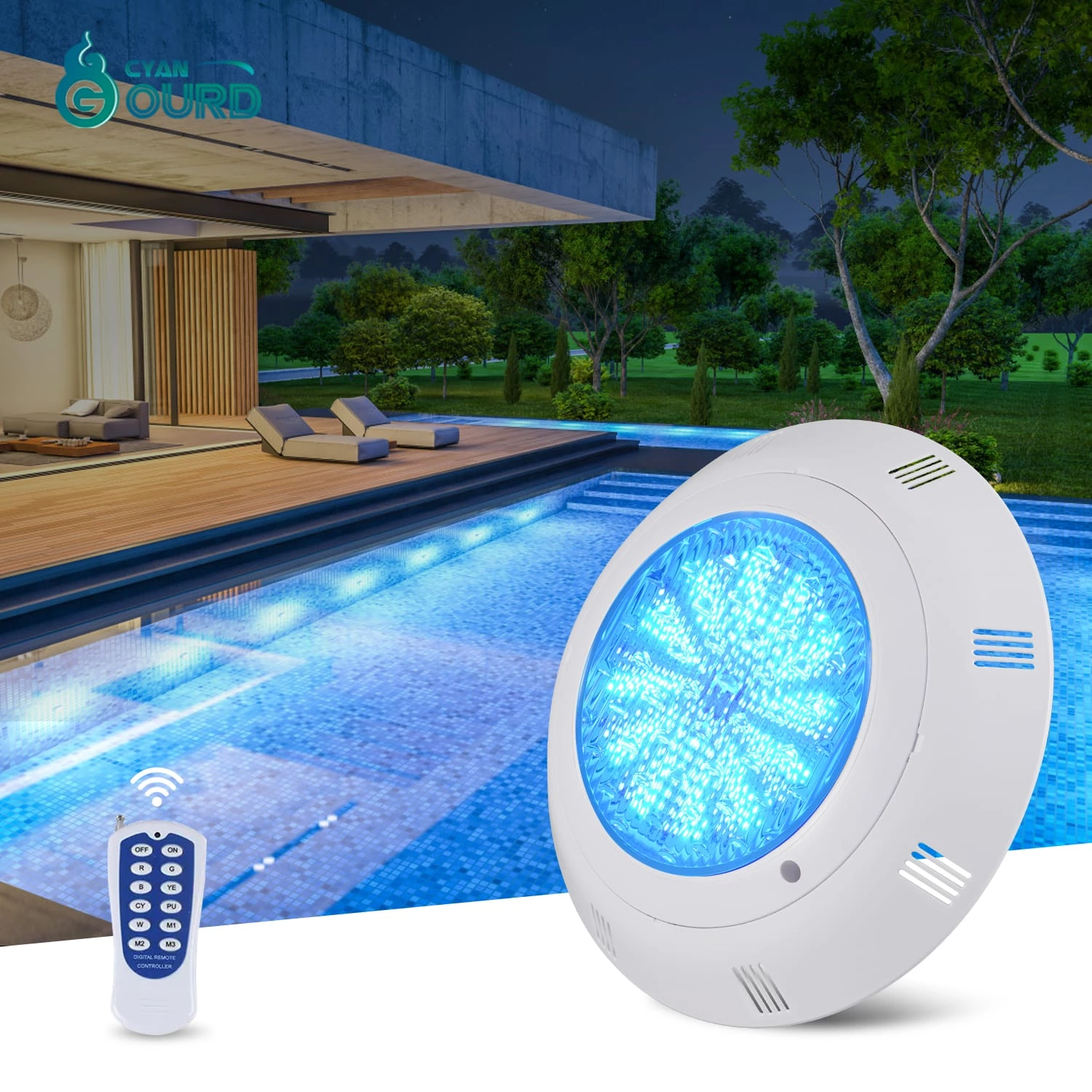
In high-occupancy commercial aquatic facilities, the primary design objective is life safety. High-voltage systems (120V/230V) present an inherent risk of leakage currents that can prove fatal in conductive, chlorinated water. By implementing 12V DC Led Pool Light systems, engineering teams create a fail-safe environment. Beyond safety, 12V systems allow for more compact hardware integration, such as the Nicheless Pool Light (QR-55 model), which minimizes the structural penetrations required for recessed niches.
Decoding NEC Article 680: Ensuring Code Compliance
Compliance with NEC Article 680 is mandatory for any commercial lighting renovation. This code dictates the requirements for low-voltage lighting systems, specifically regarding the separation of transformer compartments and the necessity for specific grounding conductors. Proper isolation prevents ground loops and ensures that the low-voltage secondary side remains isolated from the branch circuit. When selecting Stainless Steel Pool Light fixtures, ensuring these units are listed for submerged use in accordance with Article 680 is a baseline requirement for municipal inspectors.
Technical Integrity in Sub-Surface Lighting
Failure points in underwater lighting are almost exclusively related to ingress. We utilize IP68 ingress protection testing, which mandates that the housing remains leak-proof under pressurized conditions. In our production line, we go beyond standard air-pressure testing; every Embedded Pool Light undergoes a vacuum-sealing verification to confirm hermetic integrity. The use of SMD 3535 chips, as seen in our QR-55 series, is critical here. These chips exhibit superior thermal conductivity compared to standard LEDs, allowing us to dissipate heat efficiently through the housing material—usually high-grade ABS or 316L stainless steel—preventing the internal driver from suffering thermal runaway.
Managing Voltage Drop in Large-Scale Infrastructure
In large commercial pools, the distance between the transformer and the light fixture is the most significant electrical design challenge. Ohm’s Law must be the primary guide for calculating conductor size. As voltage drop increases, the efficiency of the LED decreases, leading to color shifting or flickering. We advise engineers to calculate the total VA (Volt-Amperes) of the lighting array and select wire gauges that ensure at least 11.5V at the furthest fixture. Improper wire gauge selection is the most common cause of premature driver failure in large-scale installations.
Quality Assurance Validation: Beyond Labels
Standard CE or IP68 labels are insufficient for commercial procurement; data-driven validation is required. For the QR-55 series, we perform rigorous thermal cycling validation, fluctuating the units from 0°C to 55°C while fully submerged to simulate years of operation in high-chlorine water. Furthermore, our stainless steel components undergo 500-hour salt-spray tests to ensure they withstand the corrosive reality of public pool environments. Relying on such empirical data allows facilities to move from reactive maintenance to a predictable, scheduled O&M cycle.
| Feature | Industrial Standard | Our Factory Protocol |
|---|---|---|
| Ingress Protection | IP68 (Basic) | IP68 + Vacuum Leak-Pressure Test |
| Corrosion Testing | Standard QC | 500-Hour Salt Spray Verification |
| Thermal Reliability | Standard Ambient | 0°C to 55°C Thermal Cycling Validation |
Strategic Sourcing: Reducing O&M Budgets
The cost of draining a commercial pool for lighting maintenance often exceeds the cost of the hardware itself. Procurement managers should prioritize hardware with standardized drivers and modular components. Choosing Commercial Led Pool Systems Light designs that allow for driver serviceability or complete unit swappability without breaking the pool wall seal is a strategic way to minimize long-term capital expenditure.
Frequently Asked Questions
Q: Why is 12V preferred over 120V for pool safety?
A: 12V systems operate well below the threshold of human lethality in water, providing an essential layer of protection for public facility users against electrical shock hazards.
Q: How does voltage drop affect LED performance?
A: Excessive voltage drop leads to dimming, inconsistent color rendering across the array, and increased current draw that can prematurely damage the light drivers.
Q: What is the advantage of SMD 3535 chips?
A: SMD 3535 chips offer superior thermal management characteristics, which are critical for preventing heat buildup in fully submerged, sealed housing units.
Q: Can I use existing transformers for these systems?
A: Compatibility depends on the transformer VA rating and output type. We recommend specific magnetic or electronic power supplies rated for pool LED compatibility to ensure stable performance.
Q: How do I ensure compliance with building codes?
A: Always refer to local municipal requirements and the latest NEC Article 680, ensuring all selected lighting products are listed for submerged applications by an accredited third party.
Need Engineering Support for Your Facility?
Download our comprehensive commercial specification sheet or speak with our technical team about your pool infrastructure requirements.
Contact Engineering Support