Русский
 Français
 بالعربية
 Español
Engineering 12V Commercial Pool LED Systems: Safety, Compliance, and Longevity
12V commercial pool LED lighting safety standards: Low-voltage 12V LED systems are the industry standard for commercial aquatic facilities because they provide essential galvanic isolation, mitigating the risk of electric shock in conductive wet environments. By utilizing NEC-compliant low-voltage infrastructures, facility managers significantly reduce liability while ensuring reliable, long-term performance through controlled thermal management.
The Engineering Case for 12V: Why High Voltage is a Liability in Commercial Aquatic Design
In commercial aquatic design, the primary objective is human safety combined with operational continuity. High-voltage systems (120V/240V) in or near water increase the potential for catastrophic failure in the event of seal compromise. By contrast, 12V systems offer a critical layer of protection through galvanic isolation. During our production cycles, we emphasize that 12V does not eliminate the possibility of failure, but rather isolates the hazard, ensuring that if an underwater Nicheless Pool Light experiences a housing breach, the current path does not result in lethal voltage exposure for swimmers.
Decoding Safety: NEC Article 680 and Galvanic Isolation
Compliance with National Electrical Code (NEC) Article 680 is the cornerstone of safe aquatic electrical design. This article mandates specific requirements for low-voltage luminaires, focusing on the limitation of exposure to voltage gradients. For commercial MEP engineers, our focus remains on ensuring that every installation adheres to the required grounding and bonding protocols. Using certified Embedded Pool Light models ensures that the electrical path is contained and validated according to international safety standards, including IEC 60598-2-18 for underwater lighting.
Mitigating Chemical Corrosion: Thermal Management and Materials Science
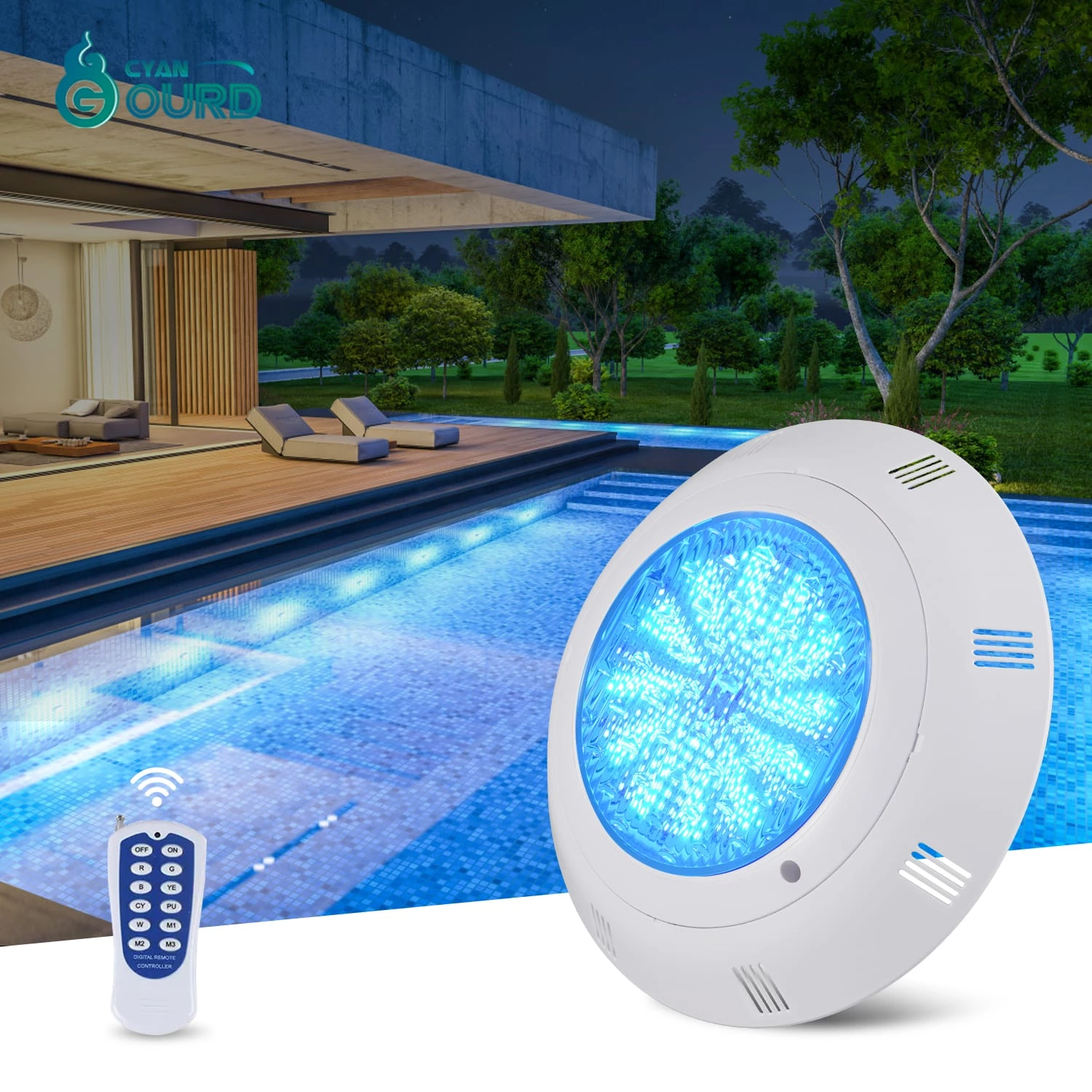
Commercial pools present extreme environments. Chlorine and bromine concentrations create a constant corrosive threat, while heat buildup leads to accelerated component aging. In our factory, we utilize high-grade ABS + PC transparent covers for our Abs Pool Light range because they exhibit superior resistance to chemical stressors compared to standard plastics. Our SMD 3535 thermal management engineering ensures that heat is dissipated away from the LED diode, allowing units like the QR-55 to maintain a 50,000-hour lifespan despite constant immersion.
| Material/Component | Standard ABS Plastic | ABS+PC (Our Grade) |
|---|---|---|
| Chemical Resistance | Moderate; prone to yellowing | High; UV and chlorine stable |
| Thermal Expansion | High; risk of seal failure | Controlled; ensures IP68 integrity |
| Service Life | 12,000 - 15,000 Hours | 50,000+ Hours |
Solving the Long-Run Problem: Engineering Guidelines for Managing Voltage Drop
A frequent error in large-scale installations is ignoring voltage drop across long wiring runs, which leads to inconsistent lumen output. To maintain uniform brightness, we advise project managers to calculate wire gauge sizing based on the total amperage of the array. For 12V DC systems, doubling the distance requires significant cable cross-section increases. We recommend a zone-based electrical schematic where drivers are localized to minimize the distance to the load, ensuring the system remains within the recommended operational voltage window.
Lifecycle Cost Analysis: Initial Infrastructure vs. Long-term O&M
While the initial cost of premium, IP68-validated Stainless Steel Pool Light fixtures may be higher, the total cost of ownership is significantly lower. By investing in components that pass 48-hour pressure chamber immersion testing, facilities avoid the recurring labor and equipment costs associated with underwater light replacement. Our manufacturing process includes rigorous QC checkpoints, ensuring that every batch meets strictly defined pressure standards to reduce early-life failures.
Implementation Strategy: Selecting Reliable Hardware
Successful commercial installations rely on selecting hardware that matches the project's specific mechanical requirements. Whether choosing an Ultra Thin Pool Light for flush mounting or a heavy-duty model for deep-water applications, the focus must remain on the seal integrity and thermal management. We provide engineering support to ensure that the specified hardware is fully compatible with the local electrical grid and pool water chemistry.
Frequently Asked Questions
Q: What is the significance of IP68 certification in pool lighting?
A: IP68 certification confirms that the fixture is dust-tight and capable of continuous immersion in water. Our units undergo a 48-hour pressure chamber test to exceed these requirements, ensuring internal components remain dry under various depths.
Q: How does NEC Article 680 affect commercial pool light selection?
A: It outlines mandatory safety requirements for low-voltage underwater luminaires, including bonding and grounding protocols to protect swimmers from potential electric hazards.
Q: Why do LEDs fail prematurely in commercial pools?
A: Premature failure is typically caused by chemical corrosion of inferior housing materials or thermal degradation due to inadequate heat dissipation from the PCB.
Q: What is the maximum distance for a 12V lighting circuit?
A: This depends on the load and wire gauge. Proper sizing is required to prevent excessive voltage drop. We recommend keeping cable runs short or using appropriately sized heavy-gauge wiring for long distances.
Q: Is professional installation mandatory for 12V systems?
A: Yes. While the operating voltage is low, commercial installations involve complex electrical, mechanical, and safety requirements that must be handled by certified professionals.
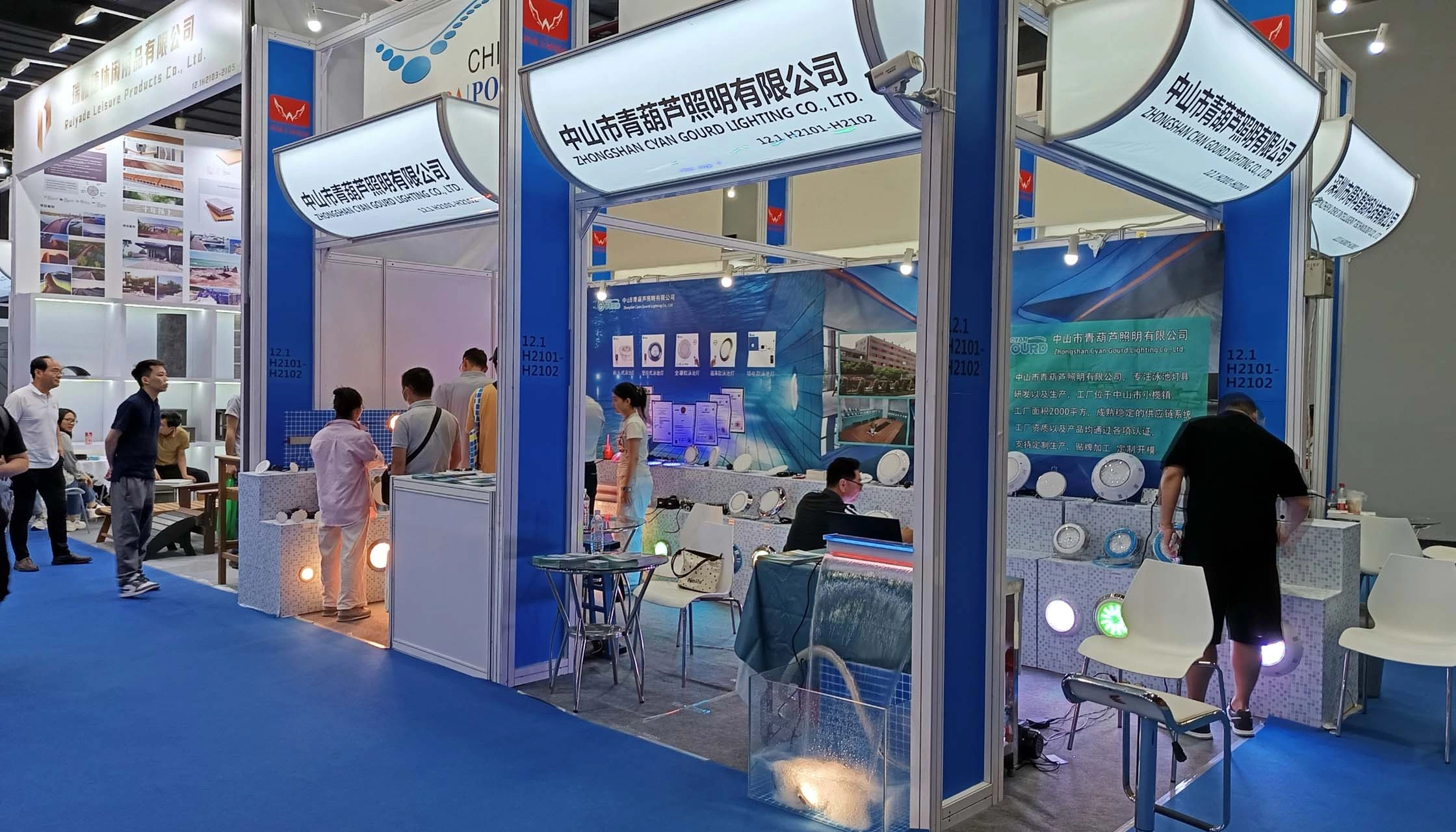
Explore Our Factory Capabilities
Download our engineering spec sheets and review our IP68 certification reports for your next commercial project.
Download Engineering Specs