Русский
 Français
 بالعربية
 Español
Optimizing Commercial Pool Lighting: Reducing Installation Costs with Nicheless LED Systems
Nicheless commercial pool lighting installation costs: By eliminating the requirement for complex recessed niche cavities, commercial contractors significantly reduce labor hours, structural waterproofing requirements, and long-term maintenance risks. This shift toward surface-mounted LED solutions streamlines large-scale aquatic facility construction while maintaining high performance and electrical compliance.
The Hidden Costs of Recessed Niches – A Contractor's Perspective
Traditional recessed niche lighting requires substantial structural preparation. For commercial MEP contractors, the process involves pouring concrete with precisely positioned cavity voids, which necessitates specialized formwork and advanced waterproofing membranes to prevent leakage. These steps add significant labor hours. According to industry-standard labor estimates, a recessed niche installation consumes approximately 4-6 hours per fixture due to the coordination between structural, electrical, and waterproofing trades. By removing the niche, the installation process shifts from complex structural integration to a simple bracket-mount procedure, reducing labor-hour requirements by up to 50%.
Engineering Efficiency – How Nicheless Designs Simplify the Mounting Process
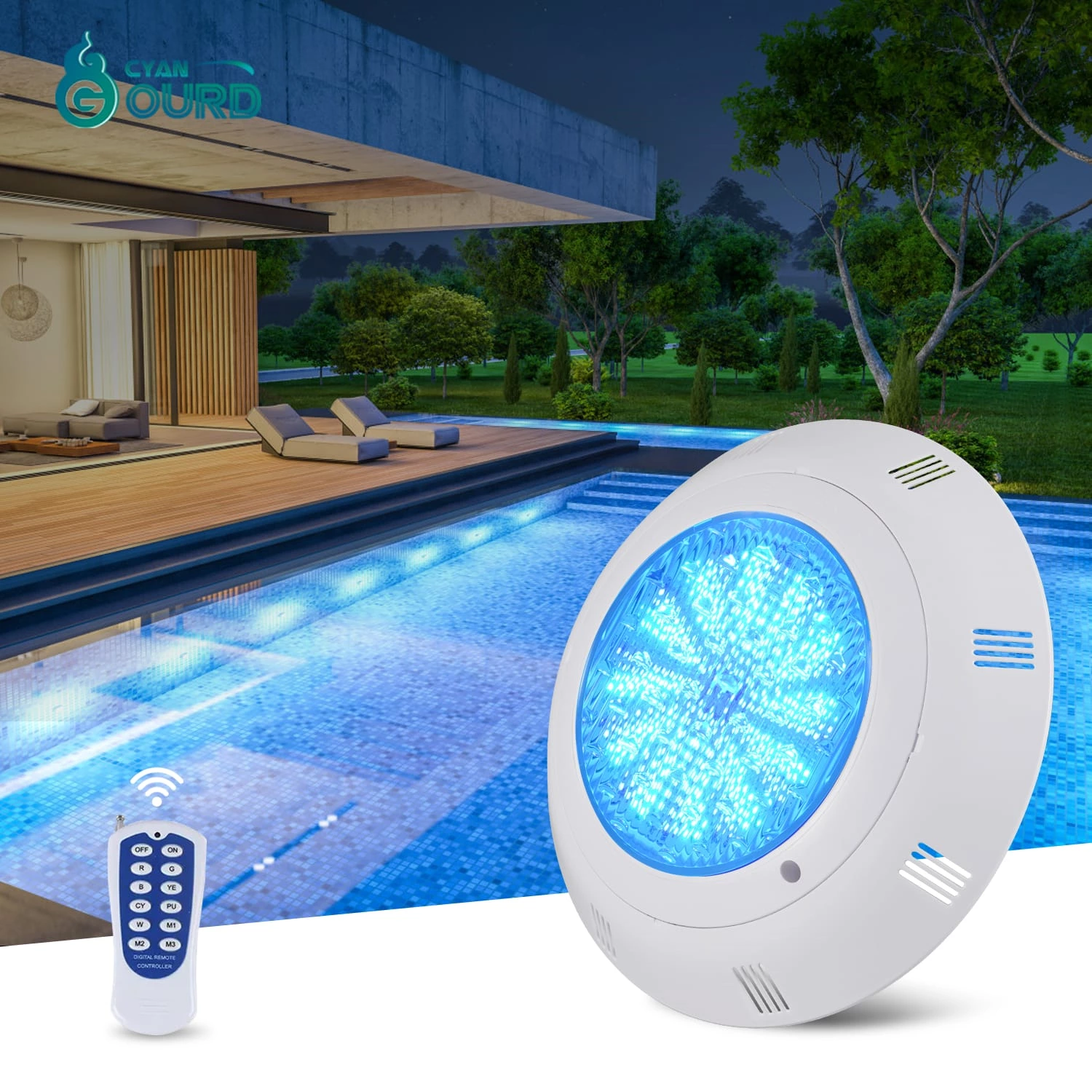
Nicheless fixtures utilize high-tensile mounting hardware designed to affix directly to the pool wall or conduit stub-out. In our production line, we have refined the assembly process to ensure that each unit provides a low-profile aesthetic without compromising mounting strength. Unlike recessed designs that demand specific wall thickness for cavity stability, nicheless luminaires are compatible with thinner concrete or modular walls. This design choice prevents structural integrity compromises by eliminating the need for large holes in the concrete shell, which are traditional failure points for hydrostatic pressure.
Thermodynamics in Underwater Fixtures – Explaining Heat Dissipation
Proper heat dissipation is critical for long-term LED survival in underwater environments. Traditional recessed fixtures often rely on the water circulating through the niche for cooling. Our advanced nicheless LED luminaires utilize internal thermal management systems, such as high-conductivity aluminum heatsinks, to dissipate heat effectively directly into the pool water without a secondary ventilation cavity. During factory testing, we monitor operational temperatures to ensure the diodes remain within their optimal range even at 100% brightness. For instance, our engineering data confirms that at ambient water temperatures of 25 degrees Celsius, the external housing maintains an operational temperature well below the thresholds defined by IEC 60598-2-18 standards for luminaires for swimming pools.
Structural Integrity and Seal Performance – Engineering for Long-term Submersion
Maintaining a watertight seal is paramount. Our manufacturing protocol includes rigorous pressure-testing for every unit. We utilize marine-grade 316-stainless steel and high-impact polymers, similar in material resilience to our luxury lighting components such as the Model JM30351-5, which features durable metal and glass construction. We test each seal at a pressure equivalent to 5 meters of water depth to verify IP68 compliance. By avoiding the niche cavity, we eliminate the potential for stagnant water accumulation and electrochemical corrosion common in traditional setups.
Total Cost of Ownership (TCO) – Comparing Lifecycle Expenses
| Metric | Recessed Niche | Nicheless LED |
|---|---|---|
| Installation Labor Hours | 4-6 Hours | 1.5-2 Hours |
| Waterproofing Complexity | High (Membrane Sealing) | Minimal (Conduit Seal Only) |
| Annual Maintenance | Moderate/High | Reduced Intervals |
Streamline Your Procurement
Request our technical spec sheet and load-bearing test reports for your next commercial bidding phase.
Download Spec SheetQC and Reliability Standards – Factory Pressure-Testing
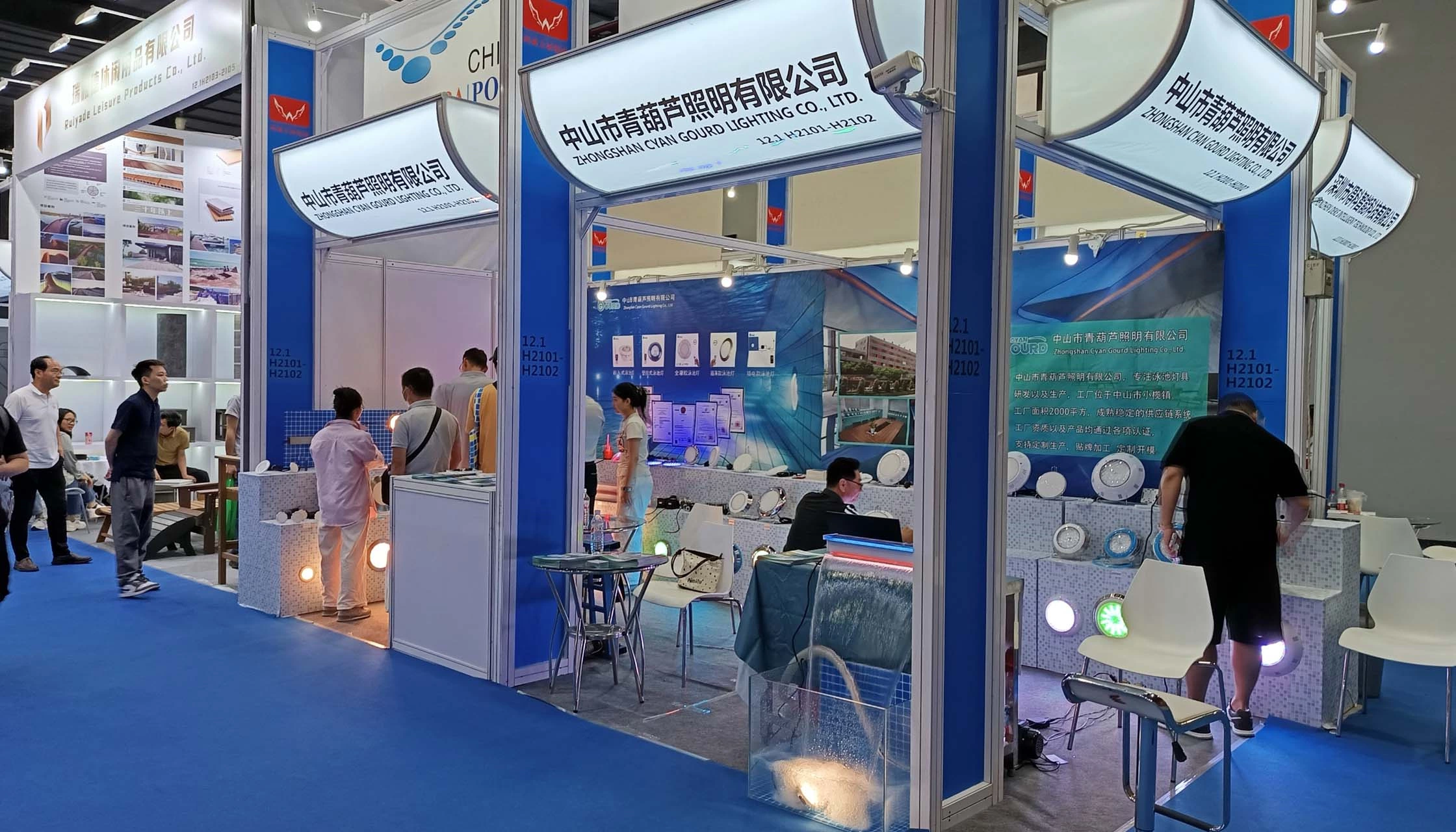
Quality control is the bedrock of commercial trust. Every unit we ship undergoes a mandatory 24-hour submersion test under pressurized conditions to ensure zero leakage. We reference UL 2108 principles as a baseline for low-voltage lighting safety. By controlling the entire assembly process in-house, from sourcing marine-grade housing to the final potting of electronic modules, we ensure each product meets the durability requirements of large-scale aquatic facilities.
Strategic Procurement – Choosing a Manufacturer
When selecting lighting for a commercial project, prioritize manufacturers that provide documented, batch-tested performance data. In our facility, we utilize advanced production techniques for components, including those found in our high-end glass hanging lines like the JM30356, to ensure consistent material quality. Selecting a manufacturer that offers transparent QC logs, such as pressure-test results and thermal dissipation reports, reduces project risk and ensures long-term operational success.
Conclusion – Aligning Lighting Choice with Project Profitability
Moving away from recessed niche lights toward advanced, surface-mounted LED solutions represents a strategic move for contractors. By reducing the labor burden during construction and minimizing the risk of structural compromises, commercial project managers can deliver higher-value facilities while adhering to stricter budgets. Our commitment to testing ensures that efficiency does not come at the cost of reliability.
Frequently Asked Questions
Q: How does the lack of a niche requirement affect underwater housing structural integrity?
A: The elimination of the niche cavity prevents the need for large structural penetrations in the pool wall, which preserves the overall integrity of the concrete shell and reduces potential leak points.
Q: What are the specific labor-hour savings associated with nicheless vs. traditional installation?
A: Nicheless installation generally saves 2-4 labor hours per fixture by eliminating the need for complex structural formwork and secondary membrane waterproofing.
Q: Do nicheless LED lights comply with the same electrical safety codes as recessed fixtures?
A: Yes, when correctly manufactured and installed, they must comply with the same international safety standards, such as IEC 60598-2-18, for underwater luminaire safety.
Q: What specific mounting hardware is required for retrofitting nicheless lights?
A: Retrofitting typically involves a dedicated stainless steel bracket system that anchors into the existing concrete, often utilizing the pre-existing conduit pipe for wiring access.
Q: How does the heat dissipation profile of a nicheless unit compare to a traditional unit?
A: Nicheless units utilize high-efficiency internal heatsinks to dissipate heat directly into the water, providing consistent performance without relying on the air-gap ventilation required by some older, bulky recessed models.
Need Technical Validation?
Request our complete documentation package and factory test logs for your commercial project evaluation.
Request a Quote