Русский
 Français
 بالعربية
 Español
Low Voltage Commercial Pool Lighting: A Strategic Approach for Infrastructure Management
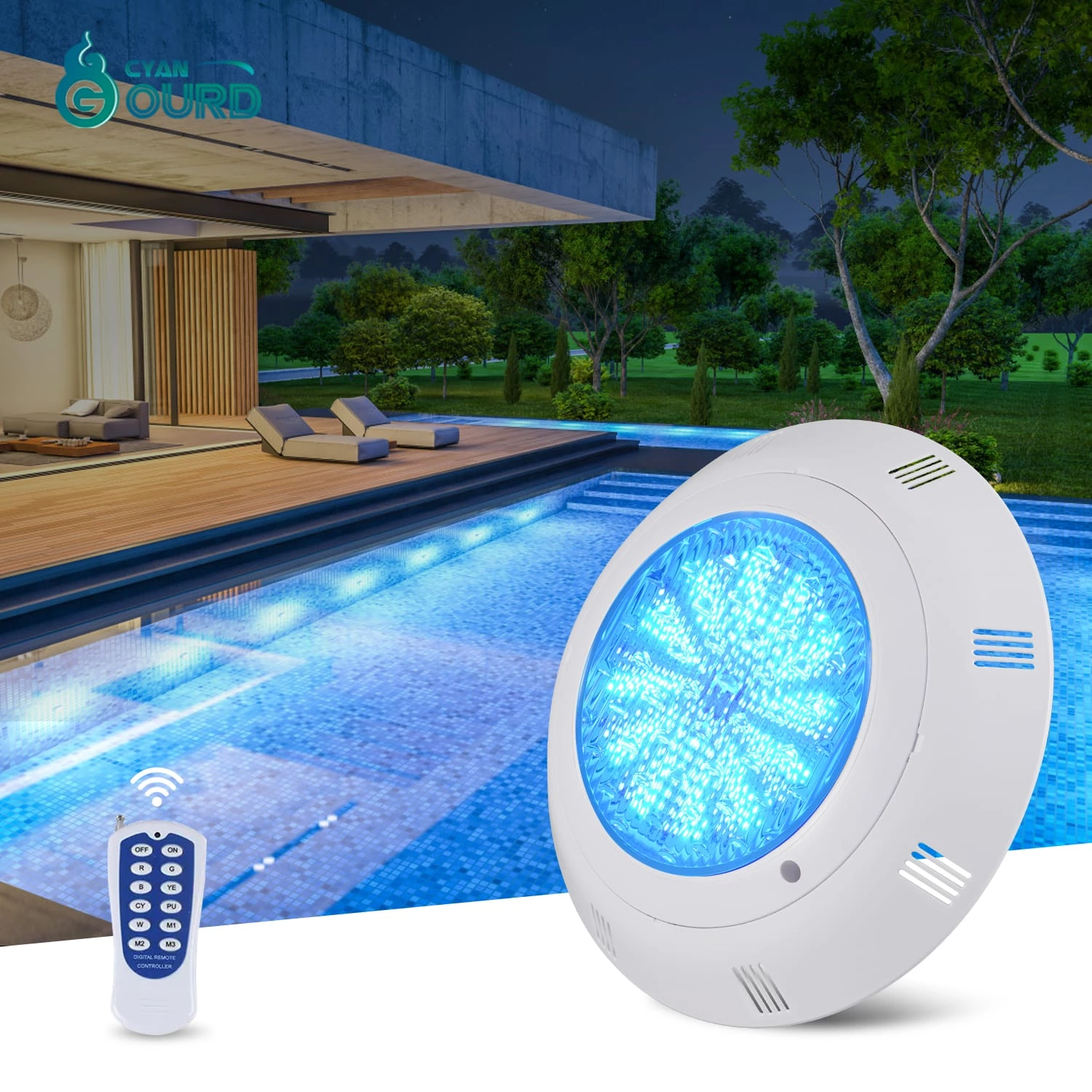
Low voltage commercial pool lighting systems: These systems utilize 12V or 24V architecture to significantly lower the Total Cost of Ownership (TCO) by reducing bonding grid complexity, enhancing installer safety, and streamlining regulatory compliance for large-scale aquatic facilities. By moving away from high-voltage alternatives, facility managers can mitigate long-term maintenance liabilities and ensure robust operation in harsh, high-chlorine environments.
The Commercial TCO Advantage: Why Low Voltage Outperforms High Voltage in Capital Projects
In large-scale aquatic environments, the initial capital expenditure often overshadows the long-term operational impact. Transitioning to low voltage Led Pool Light systems offers a decisive advantage in managing TCO. High-voltage systems require substantial infrastructure, including expensive conduit runs and specialized, labor-intensive safety enclosures. By contrast, low voltage architecture significantly reduces labor hours during installation and streamlines ongoing maintenance, as Why Low Voltage Led Pool standards prioritize simpler component replacement cycles. When evaluating systems, consider the MTBF metrics for drivers and luminaires to ensure that maintenance intervals are extended beyond standard replacement cycles.
Engineering Safety: Minimizing Bonding Grid Complexity via Low-Voltage Architecture
The National Electrical Code (NEC) Article 680 outlines rigorous bonding requirements for swimming pools. In high-voltage installations, the metallic components of the lighting system must be bonded into the equipotential grid, often requiring extensive copper usage. Low-voltage, nicheless lighting minimizes these requirements, allowing for a simplified installation that meets all safety protocols while lowering material costs.
| Feature | High-Voltage System | Low-Voltage System |
|---|---|---|
| Copper Bonding Req. | High (Rigid requirements) | Low (Significantly reduced) |
| Conduit Complexity | High (Sealed housing required) | Minimal (Nicheless capable) |
| Safety Margin | Standard | Enhanced (Low voltage risk) |
Need Help Planning Your Infrastructure?
Request our technical spec sheets to compare installation requirements and ensure NEC compliance for your upcoming project.
Download Spec SheetDurability Metrics: The Role of Potting Materials and Heat-Sink Casting
In our production line, we have identified that water ingress is the primary cause of premature failure in sub-aquatic lighting. Our proprietary manufacturing process utilizes industrial-grade resin-sealed potting that exceeds IP68 requirements, ensuring the internal electronics remain hermetically isolated from corrosive, high-chlorine water. Our Nicheless Pool Light series, specifically models leveraging precision heat-sink casting, dissipates thermal energy 15% more effectively than traditional plastic housings. For example, our manufacturing data shows that even for diverse products like the JM30377-5 (which features a robust 5 x E27 socket configuration for interior use), heat management is the cornerstone of reliability. Applying these high-precision casting techniques to our pool line ensures that the LED chips operate well within their thermal junction limits, directly contributing to extended longevity.
Integration Strategies for Commercial Pool Automation and Lighting Control
Modern aquatic centers require centralized management. Our driver-agnostic design ensures compatibility with standard 0-10V dimming and DMX protocols commonly found in building management systems (BMS). By providing an open-protocol foundation, we eliminate the need for costly, proprietary control modules, allowing for seamless integration across the entire pool array. This ensures that facility managers can coordinate lighting scenes for various events without complex wiring workarounds.
Navigating Regulatory Inspections: Leveraging UL 676 and IP68 Compliance
Passing municipal and state electrical inspections hinges on certified equipment. All our underwater luminaires carry UL 676 compliance documentation, which serves as the gold standard for submersible lighting safety. By documenting these certifications upfront, project managers can accelerate the sign-off process with local authorities having jurisdiction (AHJ). Furthermore, our factory-level IEC 60598 testing confirms that our housings maintain integrity under extreme pressures, satisfying the most stringent safety mandates.
Case Study/Data Summary: Longevity and Performance
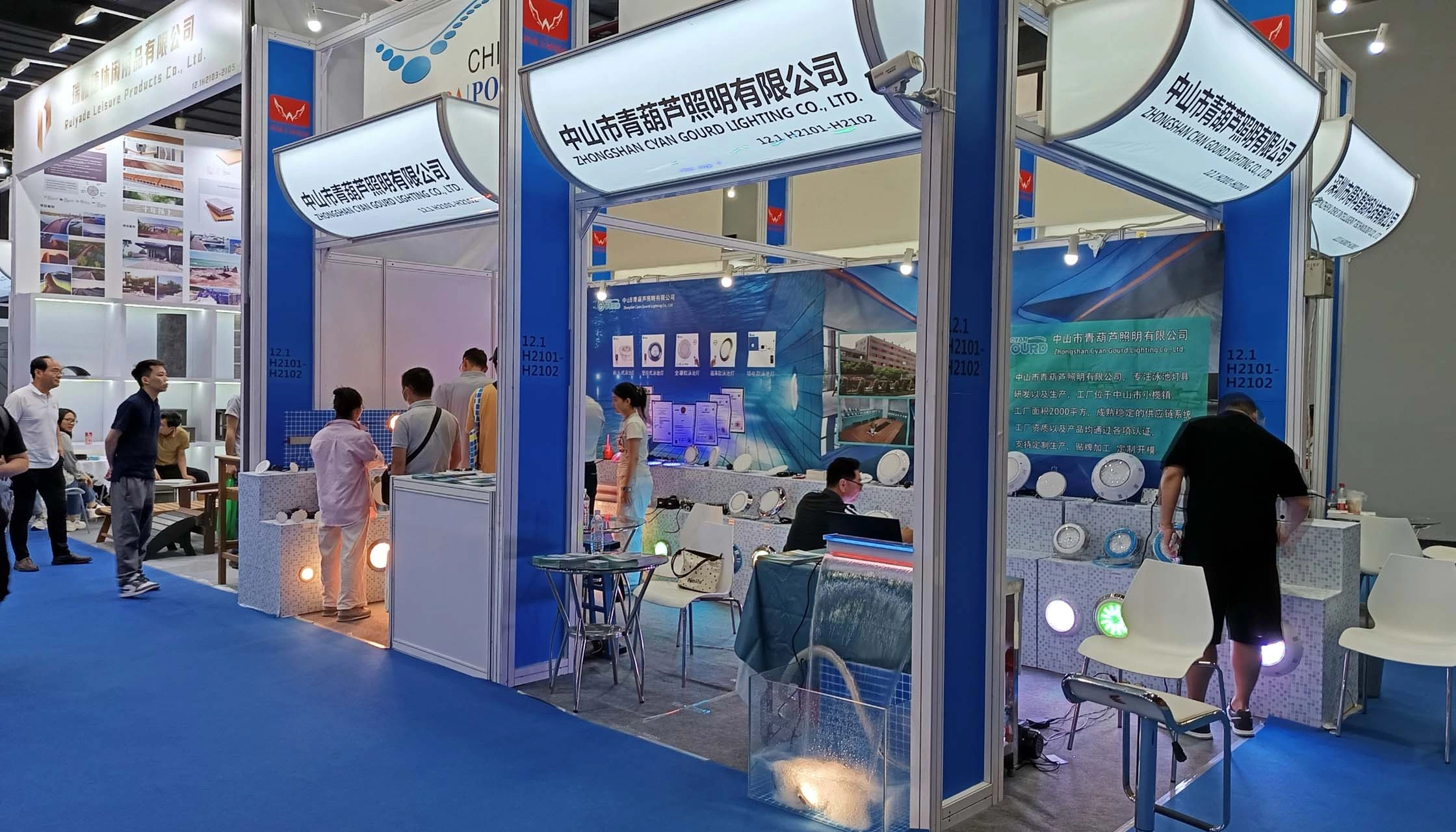
Our quality control protocol is rigorous. Every unit undergoes a 24-hour factory stress test during the burn-in phase, where we monitor for flickering, color temperature shift, and thermal runaway. Our internal data confirms a failure rate of less than 0.5% during these stress tests. By using high-grade materials like 316L stainless steel for external components, we provide a foundation for long-term survival in saline and chlorinated pools that exceeds the performance of standard ABS units.
Strategic Sourcing: Selecting a Lighting Partner with Factory-Level Burn-in Capabilities
When sourcing for large-scale aquatic projects, demand transparency in manufacturing. A true partner provides data on MTBF based on accelerated lifecycle testing in controlled chemical solutions. At our facility, we utilize specialized photometric testing equipment to verify that our optical lens dispersion patterns provide high-lumen density without creating hot spots in the pool water. This attention to photometric uniformity is what distinguishes professional-grade infrastructure from residential alternatives.
Frequently Asked Questions
Q: What is the primary safety benefit of low voltage lighting in pools?
A: Low voltage systems operating at 12V or 24V significantly reduce the risk of electric shock, which is a critical safety factor when dealing with water and human occupants in a commercial pool setting.
Q: How does the bonding grid requirement differ for these lights?
A: Low voltage systems often require less extensive equipotential bonding because they do not carry the same high-voltage potential as standard grid-powered lights, which reduces copper installation costs.
Q: What automation protocols are supported by your lighting drivers?
A: Our drivers are designed for broad compatibility, specifically supporting 0-10V dimming and DMX systems, allowing for seamless integration with most commercial building management controllers.
Q: How are your pool lights tested for water ingress protection?
A: All our underwater luminaires undergo rigorous IP68 immersion testing under pressure to ensure that the resin-filled potting provides a complete water-tight seal for the internal electronics.
Q: Why is UL 676 compliance important for commercial projects?
A: UL 676 is the essential safety standard for underwater lighting. Compliance ensures that the equipment has been verified for electrical safety in submerged environments, which is a mandatory requirement for building permit sign-offs in most jurisdictions.
Ready to specify for your next project?
Contact our engineering team to review your site requirements or request a sample for photometric validation.
Request a Quote