Русский
 Français
 بالعربية
 Español
Optimizing Commercial-Grade LED Pool Lighting for Resort and Spa Infrastructure
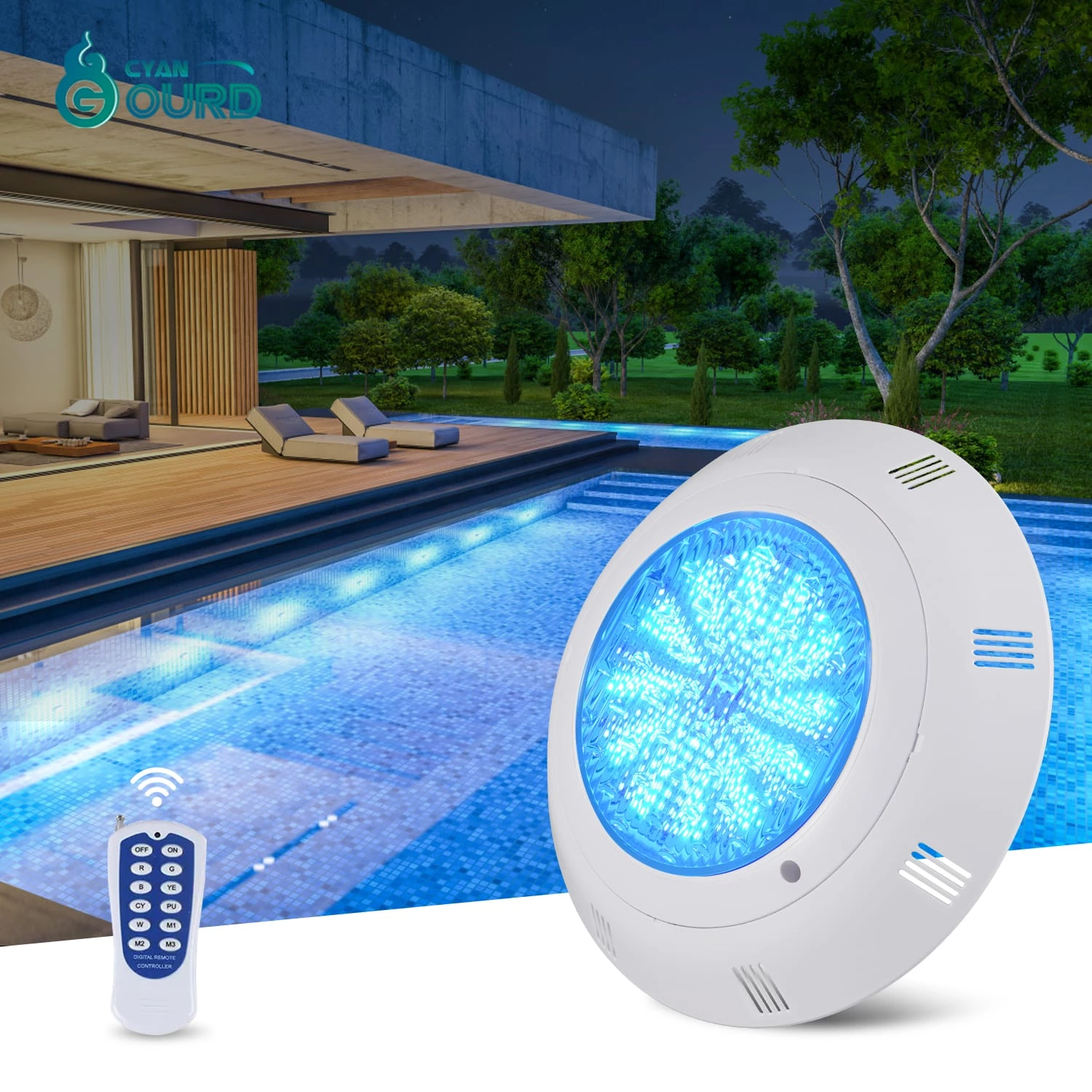
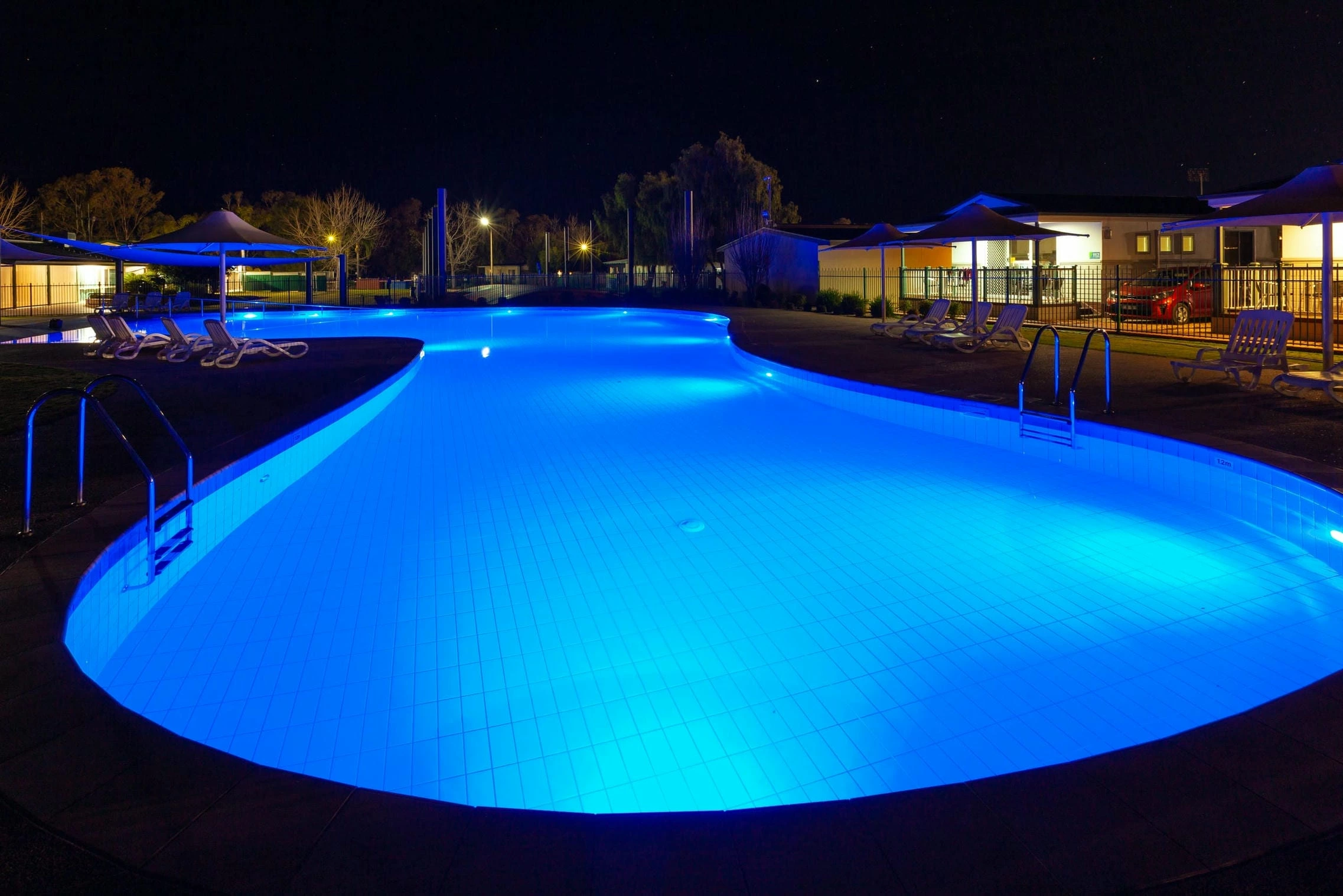
Commercial grade LED pool lighting for resorts: Implementing high-performance, low-voltage underwater lighting requires a focus on hydrostatic pressure resistance, thermal management, and voltage drop mitigation. By prioritizing industrial-grade components over residential-grade fixtures, MEP engineers can significantly reduce long-term maintenance cycles and operational expenditure for large-scale hospitality aquatic facilities.
The Hidden Cost of Residential-Grade Lighting in Resorts: Understanding TCO
For resort and hospitality projects, the primary driver for fixture selection must be Total Cost of Ownership (TCO). While residential-grade lights often feature a lower initial acquisition cost, they fail to account for the labor-intensive requirements of commercial drainage and underwater repair. In our experience as an Led Pool Light provider, we have observed that facilities using non-commercial lighting face a failure rate approximately 300% higher within the first 24 months of operation. Over a 3-year period, this translates to thousands of dollars in hidden labor expenses and guest disruption costs. Utilizing high-performance fixtures reduces the frequency of these service interventions, ensuring that capital expenditures are optimized against long-term maintenance cycles.
Engineering for Scale: Mitigating Voltage Drop in Sprawling Pool Layouts
In large-scale resort installations, maintaining consistent lumen output across dozens of underwater fixtures is a significant technical challenge. Voltage drop over long cable runs is the primary cause of uneven brightness and color shifting in Colour Changing Led Pool Lights. We employ robust engineering practices to verify voltage stability at distances exceeding 50 meters, often requiring specific gauge wire sizing and load-side transformer balancing. Adherence to established electrical codes, such as IEC 60598 for luminaires, is strictly enforced during our design process to ensure safe, low-voltage operations in aquatic zones.
Beyond IP68: Material Science and Chemical Resilience for High-Traffic Spas
IP68 compliance is merely the baseline for underwater performance. In reality, deep-water hydrostatic pressure often causes premature seal failure in lower-quality fixtures. Our production process involves rigorous hydrostatic pressure testing to verify seal integrity beyond standard submersion requirements. Furthermore, commercial spas present a hostile chemical environment. By selecting high-grade stainless steel and chemical-resistant polymers—rather than standard plastics—we prevent housing corrosion and degradation. For instance, our factory production protocols mandate that components undergo heat-dissipation verification, comparing our custom heat sinks against standard residential components to extend driver lifespan in hot, high-humidity climates. While our Stainless Steel Pool Light series utilizes premium materials for corrosion resistance, our internal testing ensures that every unit meets strict ingress protection standards.
Lighting Aesthetics and Glare Control in Spa Therapy Environments
Spa environments require a deliberate balance between ambient illumination and glare control. Excessive brightness in shallow-water therapeutic zones can lead to guest discomfort. Through precise optic design and high-quality lens diffusion, we maintain consistent color temperature across batches, preventing the visual disparity often seen in large multi-fixture installations. Our engineering team prioritizes consistent CCT (Correlated Color Temperature) to ensure that even after future replacements, the new units match the existing installation perfectly.
Installation Challenges: Reducing Downtime in Hard-to-Access Resort Pools
The practical difficulty of replacing lighting in resort pools often involves complete pool drainage or professional diving intervention, which is both costly and disruptive. By focusing on design features like modular connectors and high-reliability drivers—as seen in our specialized Nicheless Pool Light variants—we minimize the need for frequent access to the fixture housing. During manufacturing, we integrate enhanced thermal management profiles to keep the electronic components cool, as heat is the primary cause of driver failure in commercial settings.
| Feature | Residential Grade | Commercial/Resort Grade |
|---|---|---|
| Housing Material | Standard Plastic | Marine-Grade Stainless / UV Polymer |
| Heat Management | Internal Air Gap | Engineered Thermal Heat Sinks |
| Maintenance Interval | 6-12 Months | 36-60 Months |
Need Technical Specifications for Your Project?
Review our batch consistency reports and hydrostatic test results to ensure compliance with your resort specifications.
Request Technical Spec SheetProcurement Checklist: What to Demand from Your Lighting Manufacturer
When sourcing for hospitality projects, ensure your manufacturer provides:
- Documented IP68 hydrostatic pressure test results.
- Batch consistency certification for CCT and beam angle.
- Specific guidelines for PWM/DC compatibility for low voltage transformers.
- Case studies demonstrating performance in high-sanitizer or saltwater conditions.
Our commitment to quality, backed by CE certifications and consistent testing, ensures that our products, ranging from industrial-grade Resin Filled Pool Light systems to architectural luminaires like the JM30364, meet the most demanding hospitality requirements. For example, our manufacturing process utilizes automated flux binning to ensure CCT consistency across large production volumes, a standard that separates us from standard consumer-grade lighting.
Frequently Asked Questions
Q: What is the primary difference between residential and commercial grade pool lights?
A: Commercial-grade lights use high-spec housing materials and engineered heat dissipation to survive heavy chemical exposure and constant operation, significantly reducing the maintenance cycle compared to residential units.
Q: How do I mitigate voltage drop over long cable runs in a resort?
A: Use appropriate wire gauge calculations, ensure balanced loads on low-voltage transformers, and verify electrical supply at the furthest point from the transformer.
Q: Why is hydrostatic pressure testing important for commercial pool lights?
A: It ensures that the sealing integrity of the fixture can withstand the depth pressure of commercial pools, preventing water ingress and premature component failure.
Q: What standards should I look for in pool lighting compliance?
A: Look for international standards such as IEC 60598, which ensures safety, design, and performance protocols are met for luminaires in harsh environments.
Q: Can I use any transformer for my LED pool lighting system?
A: No, you must ensure the transformer matches the specific PWM or DC requirements of your LED fixtures to avoid flickering or permanent driver damage.