Русский
 Français
 بالعربية
 Español
Engineering Custom Underwater LED Pool Lights: A Technical OEM Roadmap
Custom underwater LED pool light development: Successful manufacturing requires a precise blend of thermal management, IP68-rated sealing, and strict adherence to global safety protocols like IEC 60598-2-18. Procurement managers must prioritize verified testing and material science to mitigate long-term failure risks in commercial and residential pool environments.
The Engineering Roadmap: From Concept to Submersible Reality
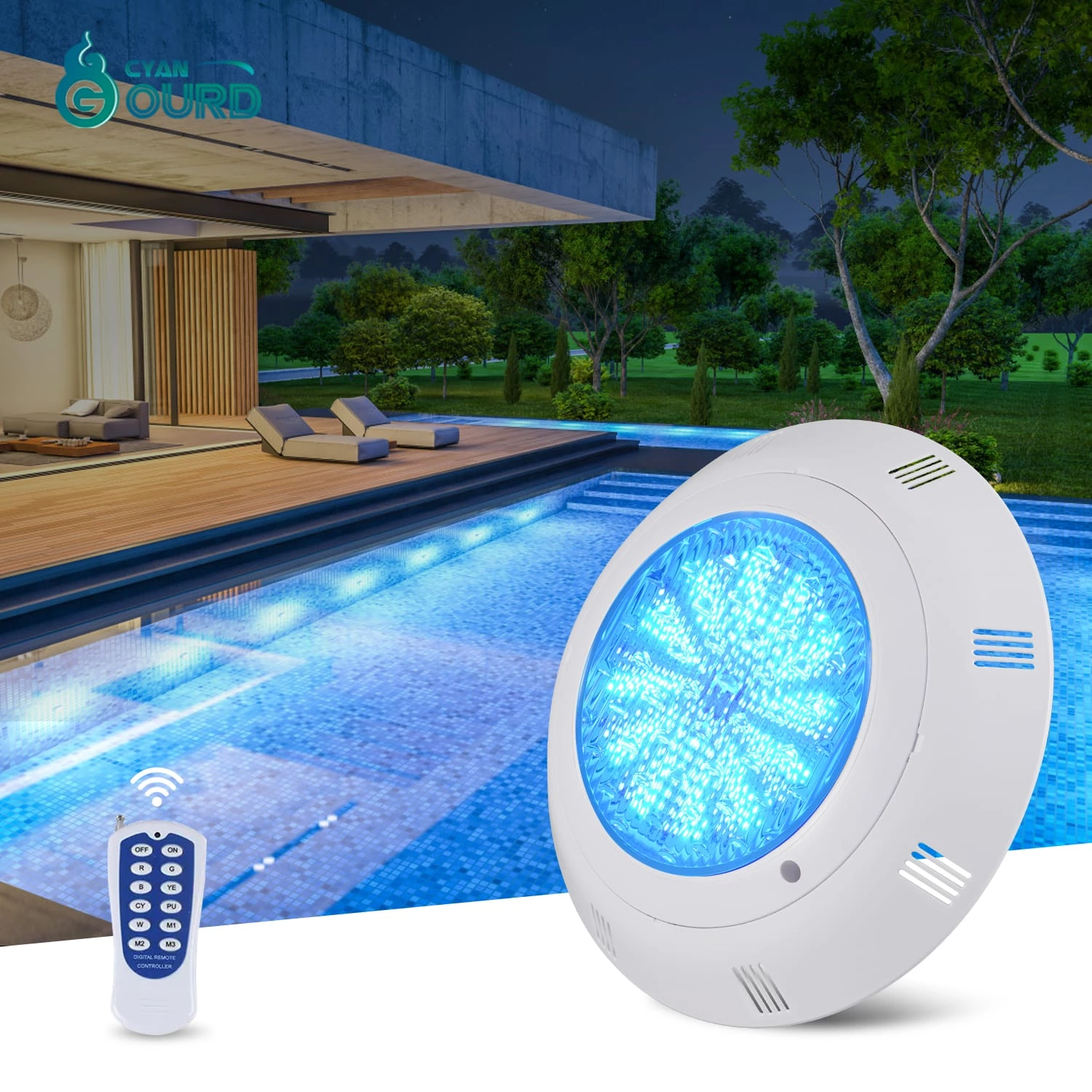
Developing a custom Led Pool Light involves far more than aesthetics. From our experience on the factory floor, the transition from CAD design to mass production requires rigorous validation of material compatibility. Every Resin Filled Pool Light or specialized housing must withstand constant hydrostatic pressure. We utilize a phased gate process, ensuring that thermal calculations for LED junctions and structural integrity of the lens assemblies are finalized before any permanent tooling is cut.
Housing Design Strategy: Resin-Filled vs. Air-Gap
Choosing the correct housing is vital for longevity. In high-salinity environments, the sealing method dictates the system lifespan. Our internal data indicates that resin-filled systems offer superior protection against condensation in high-humidity regions, while air-gap designs allow for easier field serviceability.
| Feature | Resin-Filled Housing | Air-Gap Sealed Housing |
|---|---|---|
| Moisture Prevention | Excellent (Encapsulated) | Moderate (Gasket-dependent) |
| Heat Dissipation | High (Direct transfer) | Moderate (Convection) |
| Maintenance | None (Replace unit) | High (Serviceable) |
Need a Technical Comparison for your Project?
Request our latest spec sheet for housing designs and IP68 testing results.
Request Spec Sheet & Compliance AuditOptical Performance Engineering
For commercial venues, light uniformity is paramount. We balance lumen output with anti-glare diffusers to ensure visitor comfort. By using high-transmittance polycarbonate, we achieve consistent beam angles. Similar to the precision required for our indoor Embedded Pool Light assemblies, our underwater optics undergo simulation software testing to prevent hot spots in large pools.
Thermal Dissipation and Material Selection
LED failure is almost exclusively tied to thermal stress. Our heatsink geometries are CNC-machined to maximize surface area contact with the cooling water. For instance, while our Stainless Steel Pool Light models utilize 316-grade steel to resist corrosion, we also apply specialized thermal paste with a conductivity of 3.0 W/mK to ensure chip temperatures remain below the critical 85°C threshold during continuous operation.
The Compliance Workflow
Navigating global regulations is a significant barrier to market entry. We manage the documentation burden for IEC 60598-2-18 and UL 676 filings. By maintaining a centralized database of test reports, we assist our partners in achieving private-label certification for specific regional markets, ensuring each fixture is compliant with local electrical standards before it leaves our facility.
Quality Assurance and Submersion Validation
Every batch undergoes mandatory submersion pressure testing. We simulate depths up to 3 meters for 48 consecutive hours to validate our IP68 integrity. This process is integral to our production workflow, ensuring that components like our Ultra Thin Pool Light survive real-world deployment. We cross-reference these findings with our lab-verified polycarbonate UV resistance data, ensuring the lens remains transparent for the full lifecycle.
Tooling and Scalability
To protect your investment, we utilize P20 steel for mass production tooling, designed for a minimum of 500,000 cycles. We track tooling wear using precision measurement tools, ensuring that each fixture, from Model JM30356 to our high-volume custom lines, maintains consistent dimensions. Our commitment to Submersible Led Pool Light engineering ensures that your scale-up process remains seamless and defect-free.
Conclusion: Partnering for Reliable Long-term Performance
Reliability in underwater lighting is non-negotiable. By integrating material science, rigorous testing protocols, and regulatory support, we help distributors and developers avoid costly warranty claims. For projects requiring custom lighting solutions, our team provides the technical foundation for durable, high-performance systems. Request a technical audit today to start your product development journey.
Frequently Asked Questions
Q: What is the primary difference between IEC 60598-2-18 and UL 676 testing?
A: IEC 60598-2-18 defines international safety requirements specifically for luminaires installed in swimming pools, while UL 676 focuses on the safety and integrity of underwater lighting for the North American market, including specific testing for grounding and insulation.
Q: How does salt-water exposure impact LED housing material selection?
A: Salt-water causes rapid galvanic corrosion. We recommend 316-grade stainless steel or UV-stabilized, high-grade polymers to ensure the longevity of the housing under harsh, corrosive conditions.
Q: Can you provide documentation for private-label compliance?
A: Yes, we provide full turnkey documentation support for IEC and UL regulatory filings, ensuring our partners have the necessary certification evidence for their branded products in regional markets.
Q: How do you validate IP68 integrity during mass production?
A: We conduct a mandatory submersion pressure test on random samples from every production run, simulating 3-meter depth immersion for 48 hours to confirm that seals meet IP68 protection ratings.
Q: What is the typical tooling lifespan for custom pool light production?
A: Using high-grade P20 steel for injection molds, our standard tooling is engineered for a lifespan of at least 500,000 molding cycles, ensuring consistent quality and cost-effectiveness for long-term production runs.
Partner With Our Engineering Team
Discuss your custom project requirements and receive a comprehensive compliance roadmap.
Request a Quote