Русский
 Français
 بالعربية
 Español
Commercial Pool Lighting Specifications for Themed Hospitality and Entertainment Venues
Commercial pool lighting specification for themed venues: Achieving high-performance aquatic lighting requires rigorous adherence to IP68 standards, precise DMX/RDM signal synchronization, and advanced thermal management to ensure color uniformity and system longevity across expansive, multi-zone hospitality installations without signal latency.
The Intersection of Theming and Function
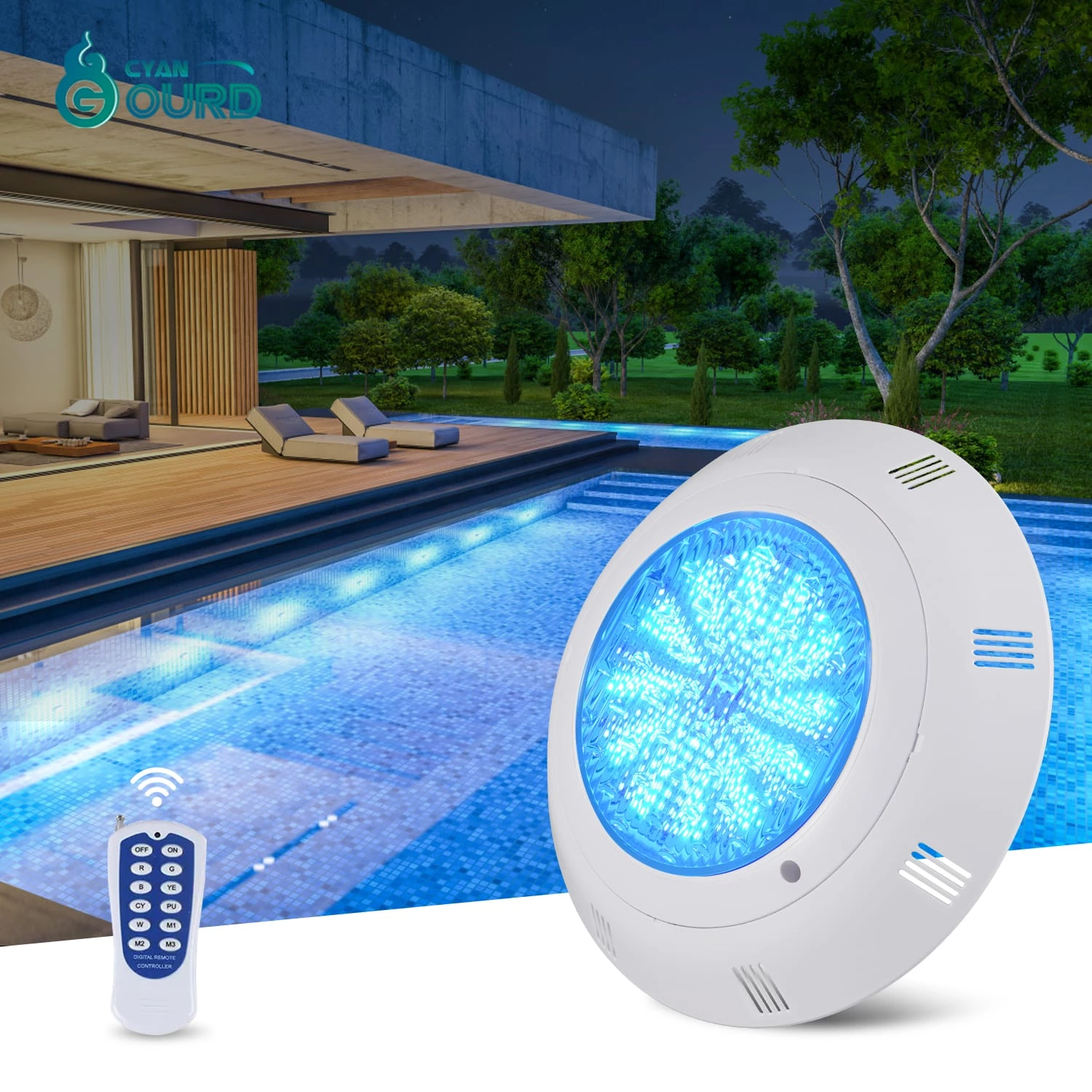
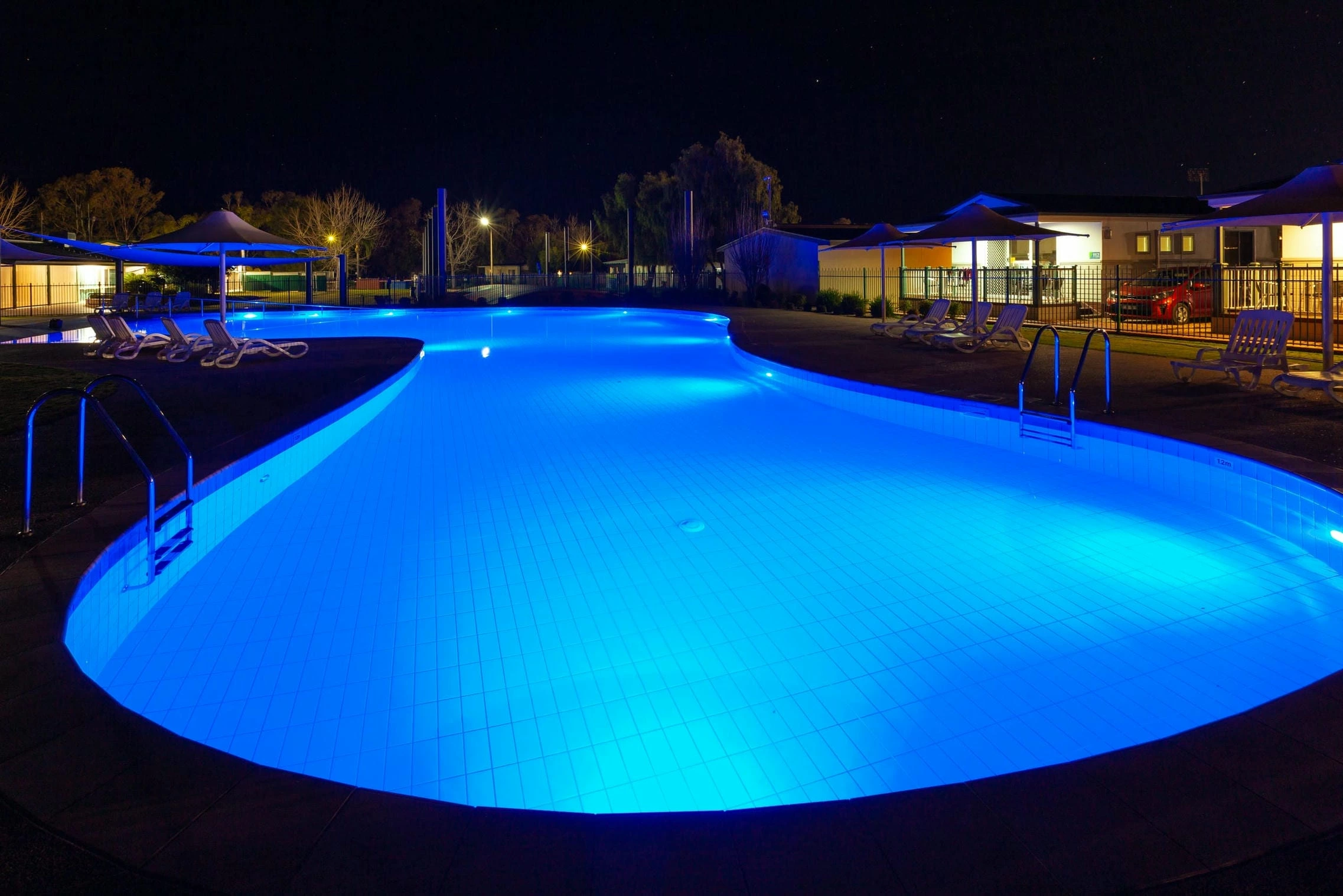
In high-end resort and theme park environments, the Led Pool Light system serves a dual purpose. It must provide the immersive chromaticity required for themed entertainment while ensuring the strict visibility needed for public safety. Architects face the challenge of selecting fixtures that maintain color consistency across large distances. Our experience confirms that chromaticity coordinate stability is only achievable through rigorous binning processes where LED chips are selected within a narrow MacAdam ellipse.
Engineering Synchronicity: Managing Signal Latency
Large-scale installations often suffer from signal degradation when using standard wiring architecture. To prevent this, we utilize proprietary signal buffering for DMX/RDM control systems. By employing low-voltage DC power architecture with signal repeaters at defined intervals, we eliminate latency across expansive arrays. When comparing an Stainless Steel Pool Light to lesser alternatives, the buffering capacity determines the stability of the synchronized color sequence, ensuring every light in the resort changes in perfect harmony.
Control Systems Deep Dive
Choosing between integrated vs. external DMX/RDM control requires evaluating the maintenance cycle of the venue. External controllers allow for easier troubleshooting and centralized management of complex light sequences. We recommend consulting the International Electrotechnical Commission (IEC) standards for guidance on control cabling and isolation. For complex lighting zones, Different Types Of Pool Lights require varied signal handling, making the choice of protocol interoperability critical for system integration.
Safety Compliance vs. Aesthetics
Safety is non-negotiable. All underwater installations must comply with IEC 60598-2-18 for luminaires installed in swimming pools. While RGBW LED synchronization creates the desired theme, the light levels must meet minimum illuminance requirements as defined by local building codes. When selecting equipment, always review the third-party photometric test reports to ensure that color-changing modes do not compromise the mandated illumination of the pool floor.
Thermal & Lifecycle Management
Heat dissipation is the primary failure point in sealed underwater luminaires. In our production line, we employ advanced aluminum housing designs that act as heat sinks, preventing thermal throttling. Just as our Modern Kitchen Glass Pendant Light (Model JM30356) utilizes high-quality materials to ensure longevity, our pool luminaires use thermally conductive potting compounds to pull heat away from the LED array, extending the lifecycle in tropical, high-heat environments. We emphasize that proper heat management is the single most effective way to lower the total cost of ownership for commercial aquatic facilities.
Quality Assurance Framework
Generic batch testing is insufficient for hospitality projects. We require a 24-48 hour burn-in testing cycle for every LED chip before assembly. This process identifies potential infant mortality failures in electronic components. When reviewing project specifications, always request the test reports confirming IP68 testing for long-term submersion. This data-driven approach ensures that the Nicheless Pool Light systems installed in your venue perform as expected from day one.
| Feature | Commercial Standard | High-End Requirement |
|---|---|---|
| Testing | Batch testing | 100% 48-hr Burn-in |
| Thermal Control | Standard housing | Advanced heat sink |
| Signal Latency | Standard DMX | Proprietary Buffering |
Need Technical Specifications for Your Project?
Download our comprehensive photometric data and technical spec sheets for high-end aquatic installations.
Request Technical DataFrequently Asked Questions
Q: What are the specific electrical safety requirements for underwater RGB lighting in commercial pool zones?
A: All underwater lighting must be designed for low-voltage operation and comply with IEC 60598-2-18 standards. You should always consult your local electrical jurisdiction for specific grounding and bonding requirements unique to your site.
Q: How do DMX control integration requirements differ for hotel pool lighting versus standard residential installations?
A: Commercial installations require high-speed DMX/RDM signal buffering to maintain synchronization across large distances and high-count fixture arrays, preventing the latency often ignored in smaller, residential-scale projects.
Q: Which housing materials are recommended for saline versus chlorinated environments?
A: Stainless steel, specifically 316L grade, is generally recommended for its superior corrosion resistance in both chlorinated and saline environments compared to standard ABS plastic housing.
Q: How does pool depth and water clarity impact the required lumen output and beam angle?
A: Deeper pools and lower water clarity require fixtures with higher lumen outputs and specific beam angles to ensure light penetration reaches the pool floor without excessive scattering or glare.
Q: What maintenance protocols should be specified for high-frequency entertainment pools?
A: We recommend a quarterly inspection of seals, lens integrity, and cable connections, alongside biannual photometric verification to ensure that light output remains consistent with original design specifications.
Request Technical Spec Sheet & Photometric Data
Contact our engineering team to discuss your project-specific lighting requirements and integration needs.
Request Quote