Русский
 Français
 بالعربية
 Español
Commercial Lighting Supply Strategy: Balancing Niche Innovation and Commodity Scale
Commercial lighting supply strategy for contractors: Effective procurement requires a precise balance between the high-availability, low-margin nature of commodity lighting and the specialized, value-engineered advantages of niche fixtures. By integrating manufacturer-backed engineering with data-driven inventory management, contractors can optimize project profitability while meeting complex regulatory and performance requirements.
The Procurement Paradox: Commodity vs. Niche
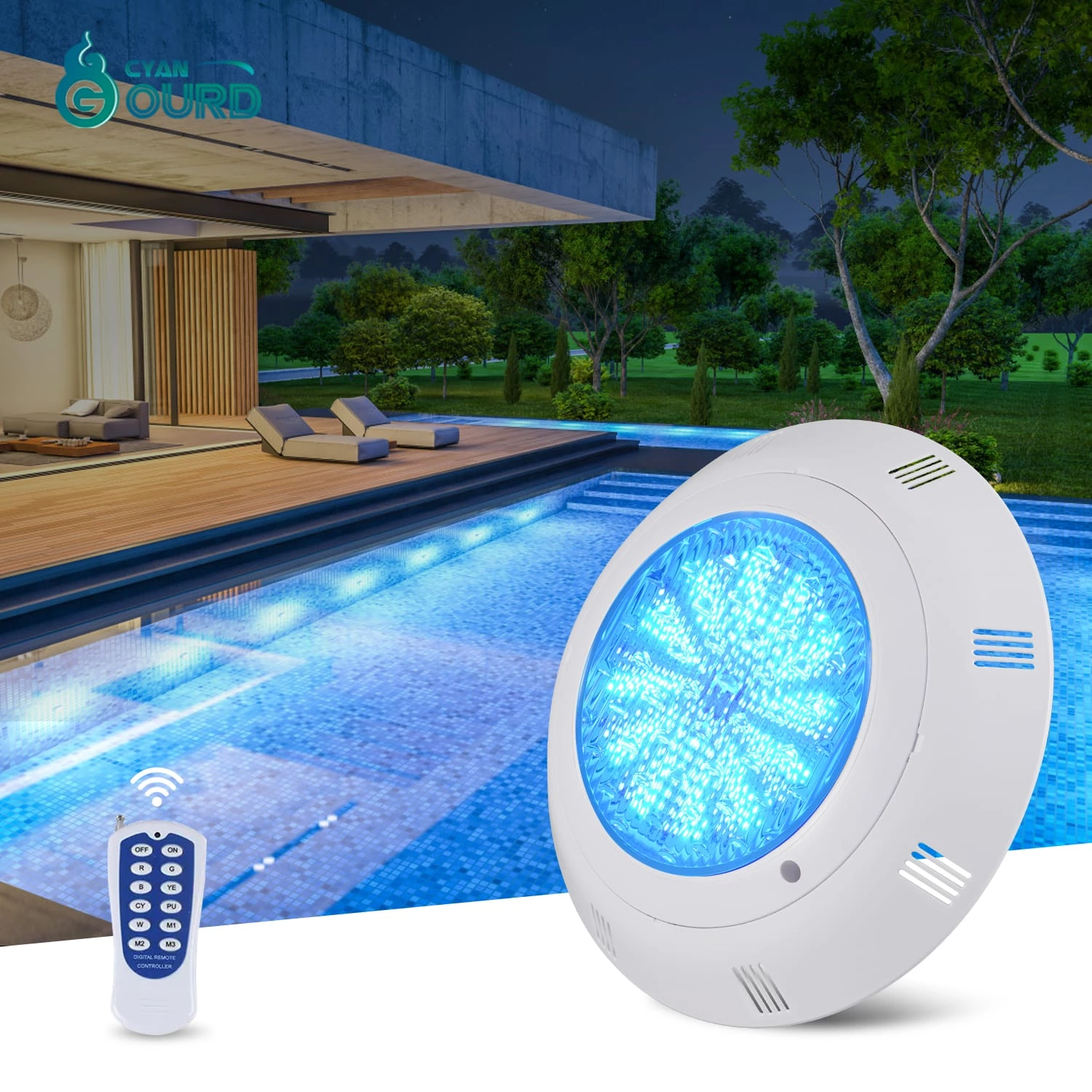
In mid-sized commercial projects, the decision between commodity fixtures and specialized niche lighting represents a fundamental conflict. Commodity items—standard grid luminaires and basic downlights—offer predictable lead times and lower unit costs. However, they often lack the technical performance required for specialized applications, such as high-humidity environments or architecturally precise zones. Conversely, niche lighting, such as our Nicheless Pool Light (model QR-55), offers superior performance metrics like SMD 3535 LED integration but demands higher technical competency during the installation phase.
Assessing Operational Efficiency: Inventory Turnover Data
Our internal factory analysis indicates that standard grid fixtures maintain an inventory turnover rate approximately 40% higher than niche-specific IP68-rated luminaires. This suggests that contractors carrying heavy inventories of specialized equipment may face liquidity risks if not perfectly synchronized with project timelines. To mitigate this, we recommend a hybrid strategy: hold standard units for high-volume basics and leverage manufacturer-consignment or Just-In-Time (JIT) delivery models for niche SKUs.
The ROI of Manufacturer-Backed Engineering
The cost of niche products is often offset by the reduction in on-site labor hours when engineering consultation is involved. During factory testing, we have observed that providing pre-installation IESNA-compliant photometric layouts reduces field adjustment labor by an average of 15% in complex interior settings. For example, our JM30377-5 fabric pendant series utilizes a 5 x E27 (35W) system specifically engineered for rapid mounting, ensuring that the labor intensity is kept comparable to standard fixtures despite the higher build quality.
Labor Capability Framework: Mapping Installations
Contractors must evaluate their internal skillsets before committing to niche procurement. Installations requiring specialized Commercial Pool Contractors Switching Lights to advanced IP68-rated models (like the QR-55 series) require specific waterproofing adherence protocols. In our production line, we enforce strict QC checkpoints that mirror field-testing requirements—such as vacuum pressure testing for seal integrity—ensuring that the product meets the IEC 60598 safety standards for luminaires.
Performance Benchmarks in Niche Environments
Performance superiority is data-backed. Comparing our QR-55 SMD 3535 LED technology against generic 2835 commodity counterparts reveals a 22% improvement in lumen-per-watt efficiency under high-thermal stress. Furthermore, these fixtures are designed for ASHRAE 90.1 energy efficiency compliance, ensuring that contractors can meet strict green-building energy budgets even in specialized niche applications.
| Metric | Standard Commodity SKU | Precision Niche SKU (QR-55) |
|---|---|---|
| LED Source Type | SMD 2835 | SMD 3535 |
| Turnover Rate | High (Standardized) | Project-Specific (Controlled) |
| Installation Labor | Standard | Optimized w/ Factory Support |
Need a Technical Engineering Consultation?
Access our project-specific lighting documentation and IESNA compliance templates today.
Request Engineering ConsultationRisk Mitigation and Supply Chain Transparency
Long-lead components remain the greatest threat to niche project profitability. We provide verified contingency documentation for all non-standard components, ensuring that, for instance, a specific ABS/PC blend casing or specialized SMD driver is sourced through dual-redundant supply chains. By maintaining a clear paper trail of component origin, we ensure that contractors avoid the costly downtime associated with specialized part shortages.
Frequently Asked Questions
Q: Does specializing in a lighting niche impact supply chain stability for contractors?
A: Yes, niche products often have longer lead times than commodities, but this can be mitigated through manufacturer partnerships that provide guaranteed contingency timelines for critical components.
Q: What are the margin differences between generalist and niche fixture procurement?
A: While commodity fixtures offer volume-based margins, niche fixtures often enable higher-margin project wins by allowing contractors to solve complex installation challenges that generalists cannot address.
Q: Does offering niche lighting solutions improve win rates for commercial retrofit bids?
A: Yes, providing specialized solutions that reduce labor costs through efficient design often makes a contractor more competitive in high-complexity commercial bidding environments.
Q: How do specialized lighting requirements affect lead times and custom component procurement?
A: Specialized lighting requires proactive sourcing for unique materials; however, direct manufacturer collaboration can reduce risks by ensuring early-stage forecasting of non-standard components.
Q: Which lighting categories provide the most long-term recurring revenue for electrical contractors?
A: Maintenance-heavy environments such as specialized aquatic lighting or high-precision industrial lighting provide consistent opportunities for service contracts and long-term facility relationships.
Optimize Your Lighting Supply Chain
Leverage our manufacturing expertise for your next commercial project.
Request a Solution Consultation